Now More Than Ever

Facing challenges and stressful situations can expose underlying characteristics that were already there. As clinicians, we see this phenomenon when a patient with an underlying health risk factor sustains a new injury that exacerbates their overall prognosis and outcomes. On the other hand, positive  underlying traits can also be exposed by stressing the system- think of the resilience of a determined young track athlete who diligently pushes through rehab to compete again after serious injury. At the start of 2020, many health care workers were already stretched thin in our roles, managing unsupportive environments, or climbing uphill on financial and life goals, while using our resilience, flexibility, and problem solving skills to persist in our careers. The national and global events of the past year- viral pandemic, racial reckoning, threats to democracy- are exposing the underlying stresses and traits that we all have. With Clinician Lifestylist, I want to reinforce the principles and traits that are in need of exposure, now more than ever.

Responsibility for my health and well-being

At all times, and especially when faced with a set back or trauma, I’m listening to what my mind, body, and heart need. For me, striking a balance of talking to loved ones and reading guidance from experts are essential forms of support. We can all get thrown off track some times with busy, changing schedules and unexpected challenges, and now I’m resetting in maintaining the evening routines and energy producing meal scheduling that work best for me and my lifestyle.

Setting short and long term goals

A key aspect of goal-setting includes keeping my finances in order. I’m still checking the state of my accounts every week and keeping an eye on my student loans (even while they are at 0% interest with the pandemic relief package). Every month, I’m paying off as much as I can in order to get this weight off me as soon as possible, and have one less stress in my life. I’m setting my intentions for “longer term” goals of buying a house and being able to really vacation for fun, with an eye to the days when these become shorter and near term goals. I’m remaining flexible in the face of obstacles, twists and turns, and I’m open to adjusting my goals and timelines when the state of affairs calls for it.

Savoring positive moments and expressing gratitude

In the past year, I’ve changed jobs (twice!), ultimately moving into a more supportive and fulfilling role. I’m incredibly grateful for the opportunities that I’ve been able to seize. I’ve witnessed tragedy and destruction professionally and publicly, rising to provide care, while I and my closest loved ones have been relatively safe and healthy. I’m savoring my good days and reaffirming the choices that I’m making in styling my life (see also Loving Your Clinician Lifestyle).

Now more than ever we can reflect on our health and goals, identify areas of risk and resilience, and pause to appreciate where we are in this moment before looking forward. 

How to Feel Culture in Any Town

Whether living in a big city with a lot of entertainment options, or in a quieter rural area, it’s reasonable to feel uncertain how to experience culture when busy with clinical duties and focused on a lifestyle that centers on growing financial independence. Staying at home every day and eating beans and rice does not cut it for me. Here are some easy ideas that help me inject culture and fun into my lifestyle. 

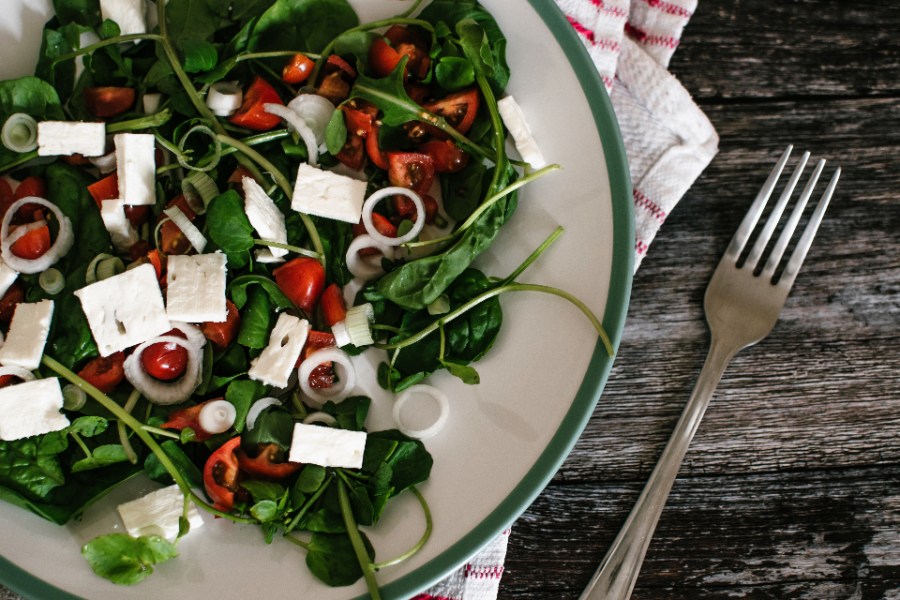
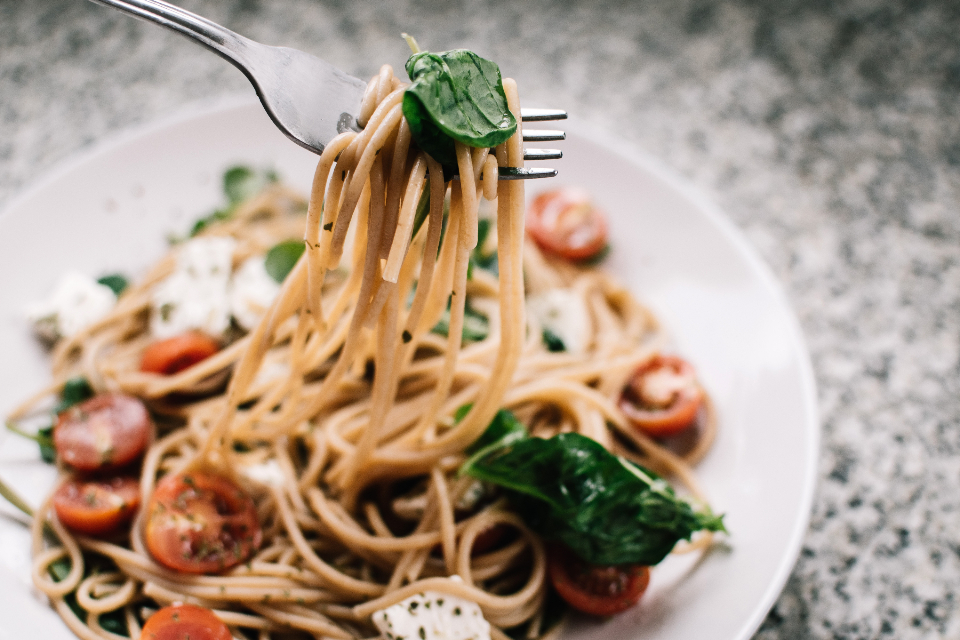
Eat. Create soulful meals at home and try out cooking your own take on international cuisines. I like to give beans and rice an upgrade with Caribbean style. Add a little flair with jerk spices and a side of fried plantains.

Listen. Find out what engages others. Talking to friends, colleagues, and neighbors is a great way to pick up on local events and experiences. Find out what engages others. Talking to friends, colleagues, and neighbors is a great way to pick up on local events and experiences. One note of caution for those of us on the financial independence path- listening to others can be a great resource, but can also have negative impacts when we surround ourselves with others who are in a different financial position or mindset. Growing financial independence is easiest with connections to like-minded others.

Wear it. A scarf around the neck for a secret Francophile, or a printed head wrap for an Africana scholar can evoke a sense of culture in oneself. A few select pieces can make an impact without breaking the bank!

Go. When particularly restless, try a road trip to check out the surrounding areas. Any change of scenery can help feed the wanderlust, without breaking the bank with a big trip. Some of my favorite cost effective itinerary items are walking around historic landmarks, hiking, visiting parks, and perusing public festivals. If I have to eat out, finding a new casual, local spot is usually a fun and satisfying alternative to standard fast food options and even fine dining.

5 Steps to Double Energy Levels Overnight

We hear a lot about what to eat, but much less about how to eat. Until recently, I struggled with maintaining a healthy diet that would also keep my energy up throughout the day.

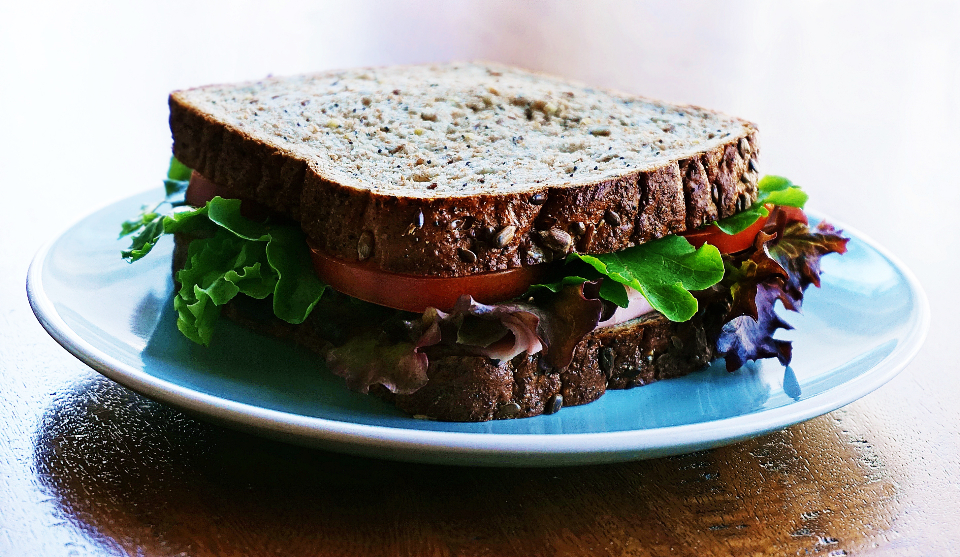
This was my old routine: First I would wake up around 6 am, get dressed and have breakfast at home every morning, make a cup of black tea after arriving at work, and have additional caffeine or a light snack mid-morning, all before midday lunch. Then in late afternoon, I’d often find myself snacking again to fight hunger pangs or a dip in energy so I could get through to evening activities and to dinner.  

So basically, I was eating first thing in the morning regardless of how hungry I was within the limited window of making breakfast at home, and then struggling to manage hunger throughout the day. I felt particularly susceptible to the 3 pm energy slide and would snack just to stay awake even if I wasn’t hungry. Furthermore, because this was a “snack” it was an easy opportunity to grab less than ideal treats from the vending machine or hospital cafe. I often justified it because I needed energy to get to the gym or make a decent dinner later in the evening.

On my new meal schedule, my energy shot up the charts. Here’s what I’m doing now:

  1. Don’t force an early meal. I’m no longer routinely eating food before heading out the door to work.
  2. Hydrate. I drink water or caffeinated beverages in the office early morning- tea and/or sugar-free energy drink are my go-to’s.
  3. 1st meal of the day in late morning or midday. If I only drink water or tea, I’m usually ready for this meal by around 10:30 or 11 am, but it can often go to noon if I have an energy drink. The exact timing also depends somewhat on my work schedule, but I’m finding that this constraint is working better for me than the window of time for eating breakfast at home.
  4. 2nd meal of the day in late afternoon. Eating around 2 to 3 pm gets me through my usual energy dip, and I go for more real foods. 
  5. 3rd meal in mid evening. The later lunch carries me through to a typical dinner time around 7 pm.

In essence, I am no longer constraining myself in the morning, but instead eat a more satisfying first meal when I’m hungry, and use my 2nd meal to get through a known problem spot in late afternoon. Plus, with afternoon snack time now a meal, I eliminate the extra calories (and expense) of eating this on top of the 3 main meals.

If you want to try my energy boosting meal plan, or have your own hacks for how to eat, share in the comments!

Finding Your Unicorn: Obama, Wiley and Lifestyle

When it comes to approaching lifestyle, the unicorn for me is an activity that is supremely entertaining and also cost effective. However, this unicorn can be very challenging to find when traveling or coordinating plans with other people. This past weekend I was in New York City and made plans to visit the Cloisters, the Met’s branch in upper Manhattan that houses (and in some places is made of) medieval art and architecture. At the Met museums, residents of New York State can get tickets for themselves and a guest at a “donation only” rate. So admission can be free, or at a significantly reduced cost. A great start to the day for those of us in the growing wealth phase of life. 


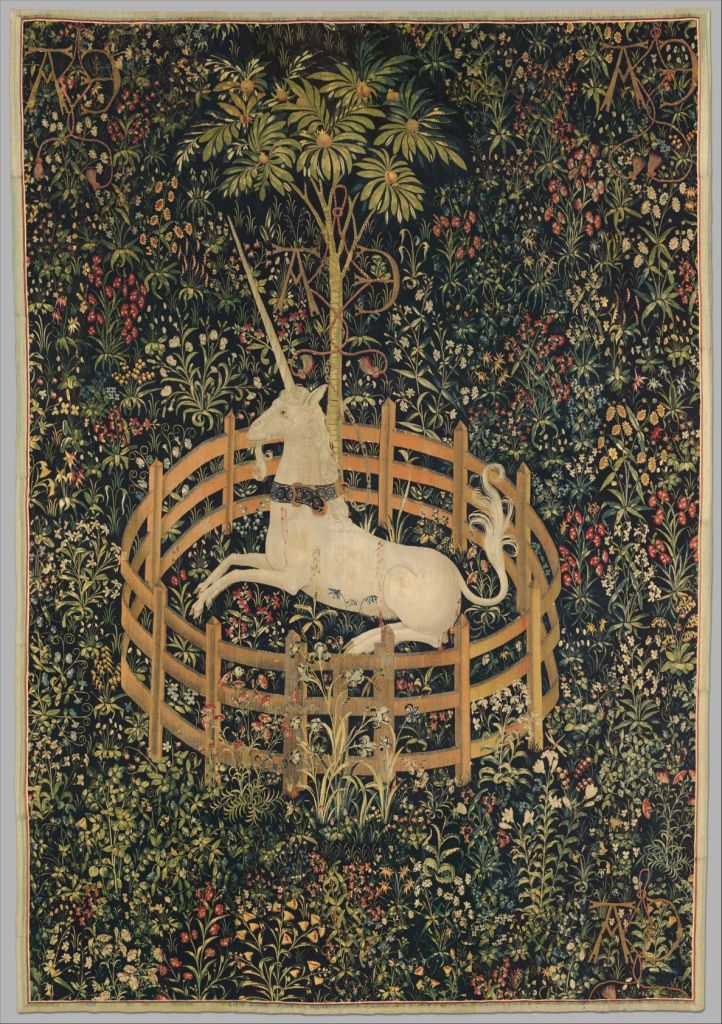
Unicorn Tapestry (The Met Cloisters)

We happened to show up just in time for the tour and decided to follow along in order to better learn about this medieval retrospective. Although there was treasure throughout the museum, by far the most intriguing place to me was the Unicorn Tapestries Room. Our tour group paced around the room, first learning the story of four large tapestries that seemed to go together, showing the hunt of a mythical unicorn. Then, set apart from the others was a solitary vertical tapestry that drew me in, with its millefleur wallpaper of colorful flowers and fruits and central unicorn inside a wooden pen. The tapestry in itself was a beauty, but the likeness to another piece of art also hit me…

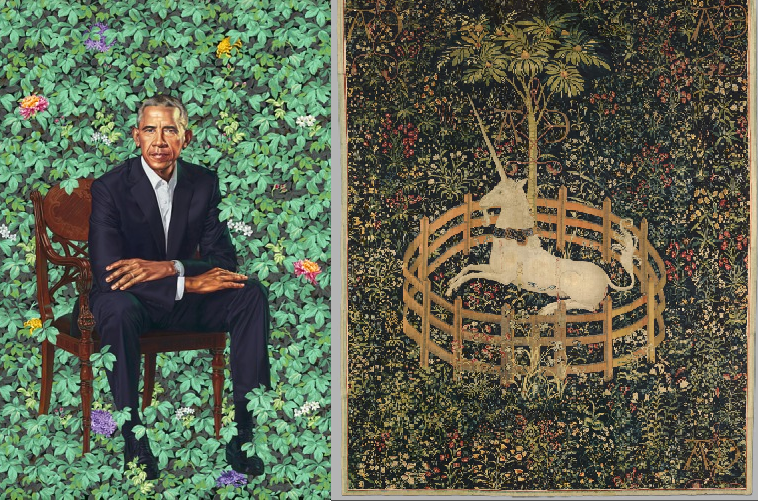
President Barack Obama by Kehinde Wiley (National Portrait Gallery)

Artist Kehinde Wiley painted the commissioned portrait of President Barack Obama that was unveiled in 2018 and hangs in the National Portrait Gallery. Wiley is known for depicting modern subjects, often African American men, in the style of classical paintings. One of his most famous works mirrors Napoleon Crossing the Alps. Wiley has shared that the chosen flowers in the president’s portrait are symbols of places in Obama’s history. However, the artist has not given a particular historical reference for the portrait. Can we see one inspiration in the Unicorn Tapestry?

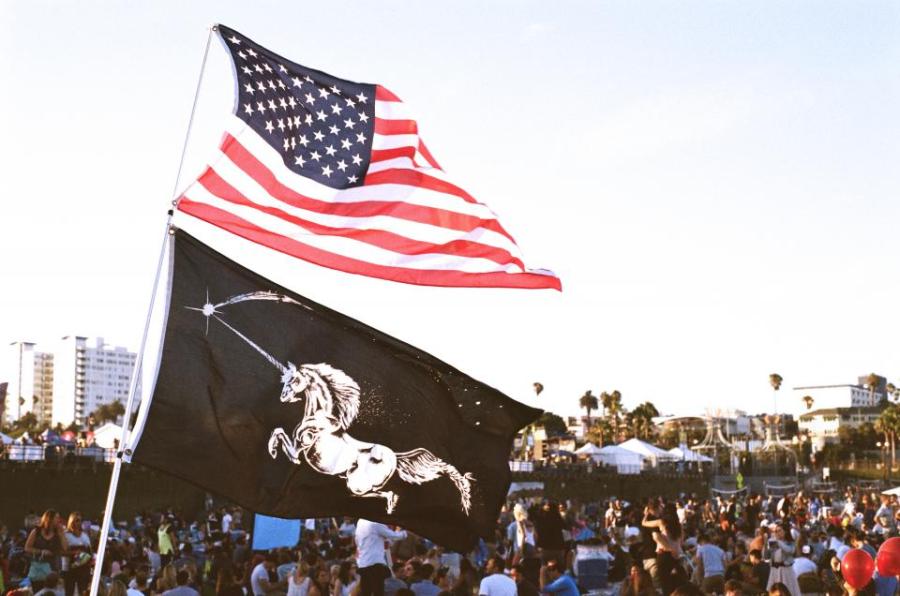
Unicorn symbols have been closely linked to Obama since his first presidential campaign. Fans and detractors alike talked about his almost magical presence and the fantasies of what he could accomplish. A quick image search will show many versions of Obama-unicorn art and memes, from biblical to downright erotic. Even his wife Michelle wrote in her autobiography that when she met him, he was “like a unicorn.” Wiley- a virtuoso in classical and modern art, pop and elite culture- could weave together these symbols into an important portrait. In turn, Wiley gives us all a lesson for approaching lifestyle by mixing and matching meaningful parts, and by being open to ideas from unexpected places.

The Unicorns

My casual visit to the Met Cloisters turned into an exciting dive through art, symbolism, and politics that’s kept me entertained for far longer than the hour-long tour. Do you think the Unicorn Tapestry could be an inspiration for Wiley’s portrait of President Obama? What are your lifestyle unicorns?  

Welcome to Clinician Lifestylist!

Ready

Hello and welcome to Clinician Lifestylist! A little about me here- I have a clinical doctorate degree and professional license. After finishing my training and preparing to start a “real job,” I very quickly I realized that personal finance and lifestyle management were going to be just as valuable skills. 

I work in a respectable academic medical center, with hospital privileges and a faculty appointment. By many accounts I have “made it” as an early career clinical professional. On the other hand, there’s living in an expensive city, seeing the full reality of working in my chosen profession, and thinking about the next phase in adult life. 

Position 

There are some well developed websites out there for doctors, but I was also somewhat discouraged to constantly hear about family medicine docs, psychologists, nurse practitioners, veterinarians, and many clinicians described as “low-income” and advised in a different manner. This kind of relative thinking can lead to a downward spiral that might contribute to poor mindset and consequently poor lifestyle management. Everyone knows at least theoretically to avoid Keeping Up with the Joneses, but who wants to be told that they are the Littles? The reality is that the best advice will generalize broadly without much calculation about if it will work for you compared to others. Even more, we know that positive mindset and positive environment are some of the most valuable tools in developing and maintaining helpful skills.

Onward

I’ve enjoyed sharing my ideas with people and my life and would love to build a community here to discuss how clinicians and medical professionals are crafting their lifestyle. So pull up a chair, subscribe, follow, or direct message me. What do you think?